

How to Measure the ROI of Corporate Video Production
Corporate video is a significant investment. A single-day shoot with professional editing and multiple deliverables can run anywhere from $3,000 to $15,000 or more depending on the scope.
For that investment to make sense, the content needs to do something measurable, and measuring it requires knowing where to look, what to track, and how to connect video performance to business outcomes.
This guide covers how to build a practical ROI framework for corporate video production, from setting the right KPIs before the shoot to calculating return after the content is live.
Why Most Companies Can't Measure The ROI of Their Corporate Video Production
The most common reason companies struggle to measure video ROI isn't a lack of data, it's a lack of intention. Videos get produced, posted, and then evaluated on vanity metrics: views, likes, comments, shares. Those numbers absolutely tell you about reach and whether or not people enjoy your content, but almost nothing about the actual impact to your business.
The fix is simple, but it has to happen before the cameras roll. ROI measurement starts with a clear answer to one question: what is this video supposed to do? A brand film on the homepage is supposed to reduce bounce rate and increase time on site and page visits. A testimonial on a service page is supposed to increase conversion rate. A product demo in a sales sequence is supposed to shorten the time to close. Each goal requires different metrics, different placement, and different success benchmarks.
If you don't define the goal before production, you can't measure the return after. Here's how to approach it.
Step 1: Define the Goal and the Metric Before Production
Every corporate video should have one primary goal tied to a specific, measurable outcome. Here's how that maps across common video types:
Primary goal: build brand awareness and earn attention from new audiences
Metrics to track: unique views, watch time, completion rate, branded search lift, website traffic from video sources
Benchmark: completion rate above 50% indicates the content is holding attention
Primary goal: move prospects from consideration to intent
Metrics to track: landing page conversion rate with vs. without video, time on page, demo request rate, email click-through rate when embedded in nurture sequences
Benchmark: pages with video typically convert at higher rates than pages without; establish your own baseline and measure lift
Primary goal: reduce purchase anxiety and accelerate the decision stage
Metrics to track: conversion rate on service pages where testimonials are embedded, sales cycle length for deals where testimonials were shared vs. not, close rate lift
Benchmark: shorter sales cycles and higher close rates in deals where testimonials were part of the process
Primary goal: extend the value of the event and inform and build credibility with audiences who weren't there
Metrics to track: LinkedIn engagement rate, email open and click rates when used in post-event campaigns, future event registration or sponsorship inquiries
Step 2: Set Up Tracking Before the Video Goes Live
Measurement requires infrastructure. Before a video is published anywhere, make sure the following are in place:
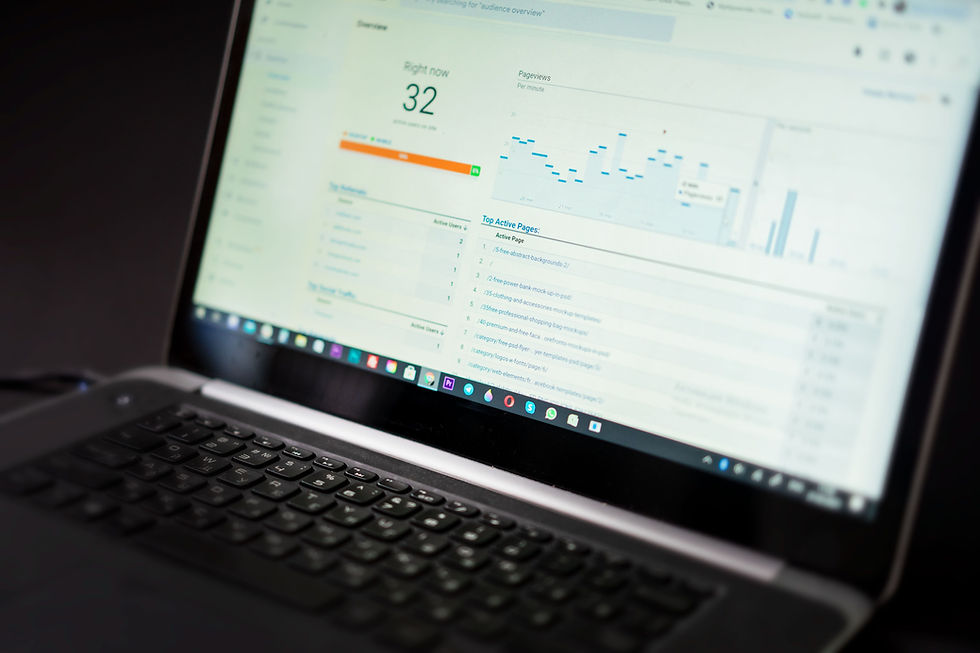
UTM parameters on all video links. Every link that points from a video to a landing page, from an email embed to your website, or from a social post to a service page should carry a UTM tag. This is how you attribute traffic and conversions to specific video assets in Google Analytics or your analytics platform of choice.
A/B test where possible. If a testimonial is going on a service page, test the page with and without the video to get direct lift data rather than correlation. Even a simple before-and-after measurement (conversion rate in the month before vs. the month after adding the video) gives you useful data.
CRM tagging for sales-stage videos. If testimonials or demos are being shared in sales conversations, track which deals included video and which didn't. Over time, the pattern between video-assisted deals and non-video deals will tell you whether the content is actually influencing close rates.
Platform analytics. YouTube, LinkedIn, and Wistia all provide watch time, completion rate, and click-through data natively. Know where you'll pull these numbers before the video goes live, not after.
Step 3: Calculate the Return
Once tracking is in place and the video has been live long enough to generate meaningful data, the ROI calculation is straightforward:
ROI = (Value Generated - Cost of Production) / Cost of Production
Calculating value generated from some video types is straightforward, while some can be a little more difficult to quantify directly. Here are practical approaches by video type:
For conversion-focused videos (testimonials, demos, landing page content): Calculate the lift in conversion rate multiplied by the average deal value. If a service page converts at 3% before a testimonial video and 4.5% after, and your average deal is $8,000, that 1.5% lift is worth $12,000 in additional revenue per 100 visitors to that page. Compare that to the cost of the video and the math is clear.
For sales-cycle videos (content shared in active deals): Track average sales cycle length and close rate in deals where video was used versus deals where it wasn't. A reduction in sales cycle length has real dollar value. Faster deals mean lower cost per sale and faster revenue recognition.
For awareness content (brand films, thought leadership): Track branded search volume over time, website traffic from video sources, and whether LinkedIn engagement on video content correlates with inbound lead volume. These are longer-term signals, but they're measurable.
What Good Video ROI Actually Looks Like
A few realistic benchmarks to calibrate expectations:
A well-produced testimonial video placed on a high-traffic service page that closes one additional deal per month pays for itself in the first month and compounds indefinitely after that. A $4,000 testimonial video that generates one $8,000 deal per month has a 2x monthly return on the production investment.
A product demo that shortens the average sales cycle from six weeks to four reduces the cost of sale across every deal it touches. If your sales team closes 20 deals a month and two weeks of cycle time costs $500 in sales resources per deal, a two-week reduction is worth $10,000 per month in recovered sales capacity.
Brand awareness content is slower to pay back but compounds over time as your brand builds recognition in your market. The ROI on a brand film is measured in years, not months, which is why it's harder to justify on a single-project basis and easier to justify as part of an ongoing content program.
The Most Common Video ROI Mistakes
Here's what to avoid when measuring the ROI of your video campaigns:
Measuring views instead of outcomes. Views tell you how many people saw the content. They don't tell you whether anyone did anything because of it. Always connect video metrics to a downstream action.
Not establishing a baseline. You can't measure progress without knowing where you started. Before any video goes live on a page or in a campaign, document the current conversion rate, sales cycle length, or whatever metric you're trying to move.
Treating all video as equivalent. A brand film and a testimonial video have completely different jobs and completely different ROI timelines. Measuring them against the same benchmarks will always produce misleading conclusions.
Forgetting the compounding effect. A corporate video doesn't depreciate the way a paid ad does. A testimonial produced today can still be closing deals two years from now. Factor the expected useful life of the content into the ROI calculation, not just the return in the first month.
At Leading Edge Media, every corporate video production engagement starts with a goals-first conversation, which means ROI measurement is built into the process from the beginning, not retrofitted after the content is live. If you're planning a corporate video project and want to talk through how to structure it for measurable return, get in touch - no obligation, no pressure. Or browse our portfolio.
📞 619-384-5003
Leading Edge Media | San Diego Corporate Video Production | Serving Southern California Since 2016
Related Reading:


Comments