

San Diego Event Videographer: How Leading Edge Media Approaches Event Coverage
Updated: 7 days ago

Event video is one of the most demanding types of production work. Events happen once, move fast, and don't offer second takes. The difference between coverage that produces content you can actually use and coverage that doesn't usually comes down to preparation, planning, experience, and the decisions made before anyone arrives on site.
Here's how Leading Edge Media approaches event videography in San Diego, and what that means for the content you walk away with.
It Starts Well Before the Event
Some of the most important work in event video production happens in pre-production. Before a camera is ever set up, there's a conversation about your goals, your audience, and how the content will be used after the event ends. That context shapes every decision that follows.
From there, the process includes a review of the event agenda and run-of-show, a shot list built around the key moments that need to be captured, coordination with the venue or AV team on audio feeds and access, and a plan for every deliverable before shoot day. For events at venues like the San Diego Convention Center, hotel ballrooms in the Gaslamp Quarter, or expo halls in Mission Valley, local knowledge of logistics, permitting, and location variables matters.
A production team that shows up without this groundwork is going to miss things. Events don't wait.
Multi-Camera Coverage for Complete Event Documentation
A single camera can only be in one place at one time. For conferences, trade shows, corporate galas, and multi-session events, that's not enough.
Leading Edge Media uses multi-camera setups to provide simultaneous coverage of the stage, the audience, and the broader event environment. That means a keynote presentation is captured from multiple angles, audience reactions are documented, and the b-roll needed to build a compelling highlight reel is being gathered throughout the day rather than improvised in the edit.
Corporate event video production at this level requires coordination between cameras, a clear shot list, and a production lead who understands how the footage will cut together before the shoot starts.
Dedicated Audio Capture

The quality of event video is determined as much by the audio as by the picture. A camera's built-in microphone is not sufficient for professional event coverage, particularly in large venues with ambient crowd noise, PA systems, and HVAC.
On every event shoot, audio is captured through dedicated means: a direct feed from the house sound system when available, wireless lavaliere microphones on key speakers, or a boom operator for interview and testimonial setups. Clean audio is what separates footage that looks professional from footage that actually is professional.
Testimonials, Talking Heads, and On-Camera Interviews
Events bring together the people whose voices matter most to your brand - clients, partners, executives, and industry figures - in one place. That's an opportunity that doesn't come around often. On-camera testimonials, interviews, and roundtable conversations are some of the most valuable content that can come out of an event, and capturing them well requires a controlled setup away from the noise of the event floor, the right questions prepared in advance, and coordination to make sure the right people are available at the right time.
These clips serve as standalone social media content, sales enablement material, and the human voice that anchors a recap video and makes it feel like more than a highlight reel.
Aerial Coverage for Scale and Establishing Shots
For outdoor events, venue exteriors, and establishing shots, FAA Part 107 certified aerial coverage adds a dimension that ground-level cameras can't replicate. A drone shot of a packed event floor, a waterfront venue, or a large-scale outdoor activation communicates scale, attendance, and energy in a single frame.
San Diego's airspace requires advance coordination for many locations - a process that a certified pilot navigates as part of pre-production, not something figured out on the day.
Post-Production and Deliverables
Raw footage is the ingredients, not the finished product. Every event coverage engagement includes post-production: editing, color grading, audio mixing, and delivery in the formats needed for the platforms where the content will live.
Deliverables can vary widely, but typical deliverables include a highlight reel or recap video, individual session recordings when applicable, social media clips optimized for vertical and horizontal formats, and testimonial cuts ready for use in sales or marketing materials. Timelines and formats are confirmed before the shoot so there are no surprises on delivery.
If you need content back quickly for a post-event social push, rush turnaround is available - and like everything else, it's a conversation to have before the event, not after.
What Working with a San Diego Event Videographer Actually Looks Like
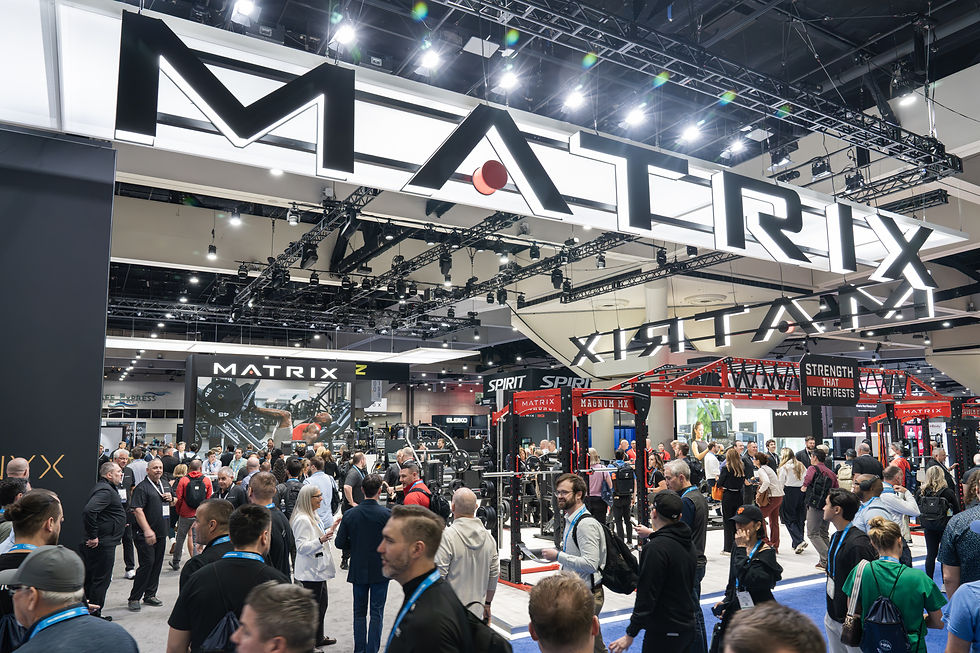
Leading Edge Media has covered corporate events, conferences, and trade shows across San Diego and Southern California since 2016, including multi-day events with thousands of attendees and smaller brand activations where every detail matters equally. The approach is the same regardless of scale: thorough pre-production, disciplined execution on the day, and post-production that delivers content ready to use.
If you're planning an event in San Diego and want to talk through what coverage makes sense for your goals and venue, browse our portfolio to see examples of our event work, or get in touch to start a conversation - no obligation, no pressure.
📞 619-384-5003
Leading Edge Media | San Diego Event Videographer | Serving Southern California Since 2016
Related Reading:


Comments